There's a particular kind of silence you notice on your first morning in Japan. You step out of a convenience store at 7 a.m. with a hot canned coffee in your hand, and the city — even a city as enormous as Tokyo — is moving with this strange, gentle order. No horns. No chaos. Just the soft shuffle of thousands of people, all somehow knowing exactly where they're going.
And then you turn a corner, and a fourteen-storey building is screaming neon at you, and a train glides past overhead, and a monk in robes walks by holding an iPhone. That's Japan. It contradicts itself beautifully, constantly, and it takes about three days for your brain to stop trying to make sense of it and just fall in love instead.
If you're planning your first trip, this guide is the conversation I wish someone had sat me down for before mine. We'll cover the emotional stuff (why Japan hits differently), the practical stuff (trains, money, etiquette), where to actually go, and what to eat along the way. By the end, you'll have a real sense of how to shape a Japan tour package that fits the way you travel — not just the postcard version.
Let's get into it.
First Impressions: Why Japan Overwhelms You (in the Best Way)
Nobody prepares you for how considerate Japan is. It's in the tiny things. The taxi doors that open by themselves. The way a shop assistant will walk out from behind the counter to point you in the right direction rather than just gesture vaguely. The hot towel handed to you the second you sit down at a restaurant. The umbrella lockers outside shops so you don't drip on the floor.
For a first-timer, this can genuinely be disorienting — in a good way. You spend the first day braced for the usual friction of travel, and it never comes. Then you spend the second day slightly suspicious. By the third, you've surrendered completely.
But let's be honest about the overwhelm too, because it's real. The train stations are cathedrals of confusion at first. Shinjuku Station alone has over 200 exits, and picking the wrong one can add twenty minutes to your day. Menus are often in Japanese only. Very few people speak fluent English outside the big tourist hubs. And the sheer density of options — where to eat, what to see, which neighbourhood to explore — can leave you frozen.
Here's the mindset shift that helps: don't try to "do" Japan. Let it happen to you. The best moments on a first trip are almost never the ones you planned. They're the tiny yakitori bar under the train tracks you ducked into because it was raining. The garden you found because you took a wrong turn. The grandmother who insisted on walking you three blocks to the temple you were looking for. Build a loose frame, then leave room for the country to surprise you.
That's also, honestly, the difference between a rushed trip and a great one — and it's why the best time to visit Japan matters so much. Go in peak cherry blossom or peak autumn and you're sharing every viewpoint with a crowd. Go in the shoulder seasons and the country opens up and breathes. More on timing shortly.

Tokyo to Kyoto: The Two Faces of Japan Every First-Timer Should See
If you only have time for two places on your first trip, make them Tokyo and Kyoto. Together they tell you almost everything you need to know about this country's split personality — the relentless future and the carefully guarded past, sitting just two and a half hours apart on the bullet train.
Tokyo: the future, humming
Tokyo doesn't have a "centre." It has a dozen of them, each with its own mood, and the fun of a first visit is bouncing between them.
Shibuya is the one you've seen in every film — the scramble crossing where a thousand people cross from all directions at once and somehow nobody collides. Stand at the second-floor window of the Starbucks overlooking it, or better, go up to Shibuya Sky at dusk and watch the whole thing pulse below you.
Shinjuku is Tokyo at maximum volume: the golden lantern-lit alleys of Omoide Yokocho for grilled skewers and cold beer, the tiny bars of Golden Gai (some seat just six people), and the calm green counterweight of Shinjuku Gyoen park a few minutes away.
Asakusa is where old Tokyo survives — the great red lantern of Senso-ji temple, the incense smoke you're meant to wave over yourself for good health, and the market street of Nakamise leading up to it.
And then there's Akihabara for the gaming and anime obsessives, Harajuku for street fashion and crepes, and teamLab Planets, the immersive digital art museum where you wade barefoot through water and lose all sense of where the room ends. It's the single most "only in Tokyo" thing you can do.

Kyoto: the past, kept alive
Then you take the Shinkansen south, and everything slows down.
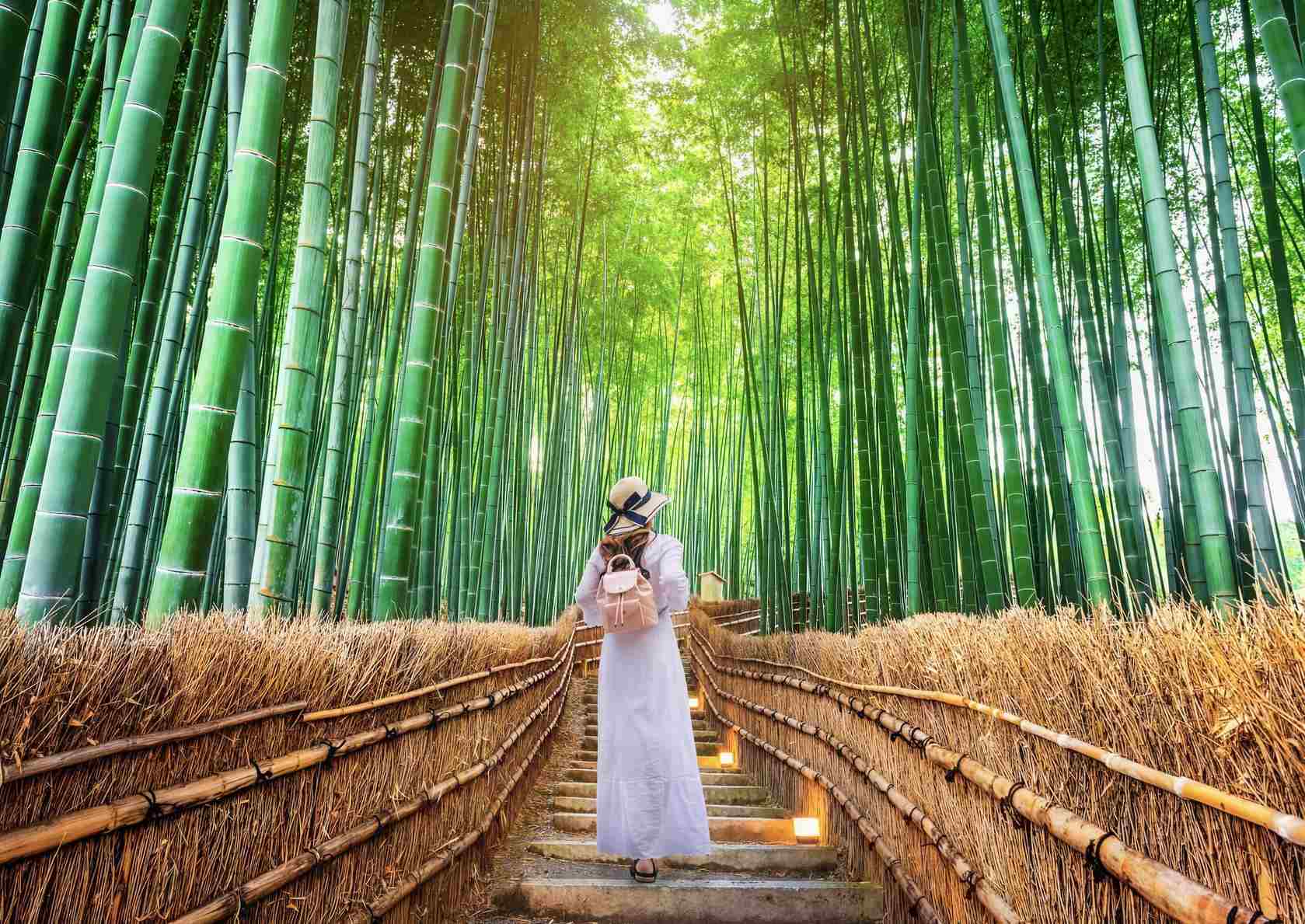
Kyoto was Japan's capital for over a thousand years, and it wears that history openly. Here you'll find the golden pavilion of Kinkaku-ji shimmering on its pond, the thousands of vermilion torii gates snaking up the mountain at Fushimi Inari, and the towering green corridor of the Arashiyama Bamboo Grove. Wake early — genuinely early, 6 a.m. — for these, and you'll have them almost to yourself before the tour buses arrive.
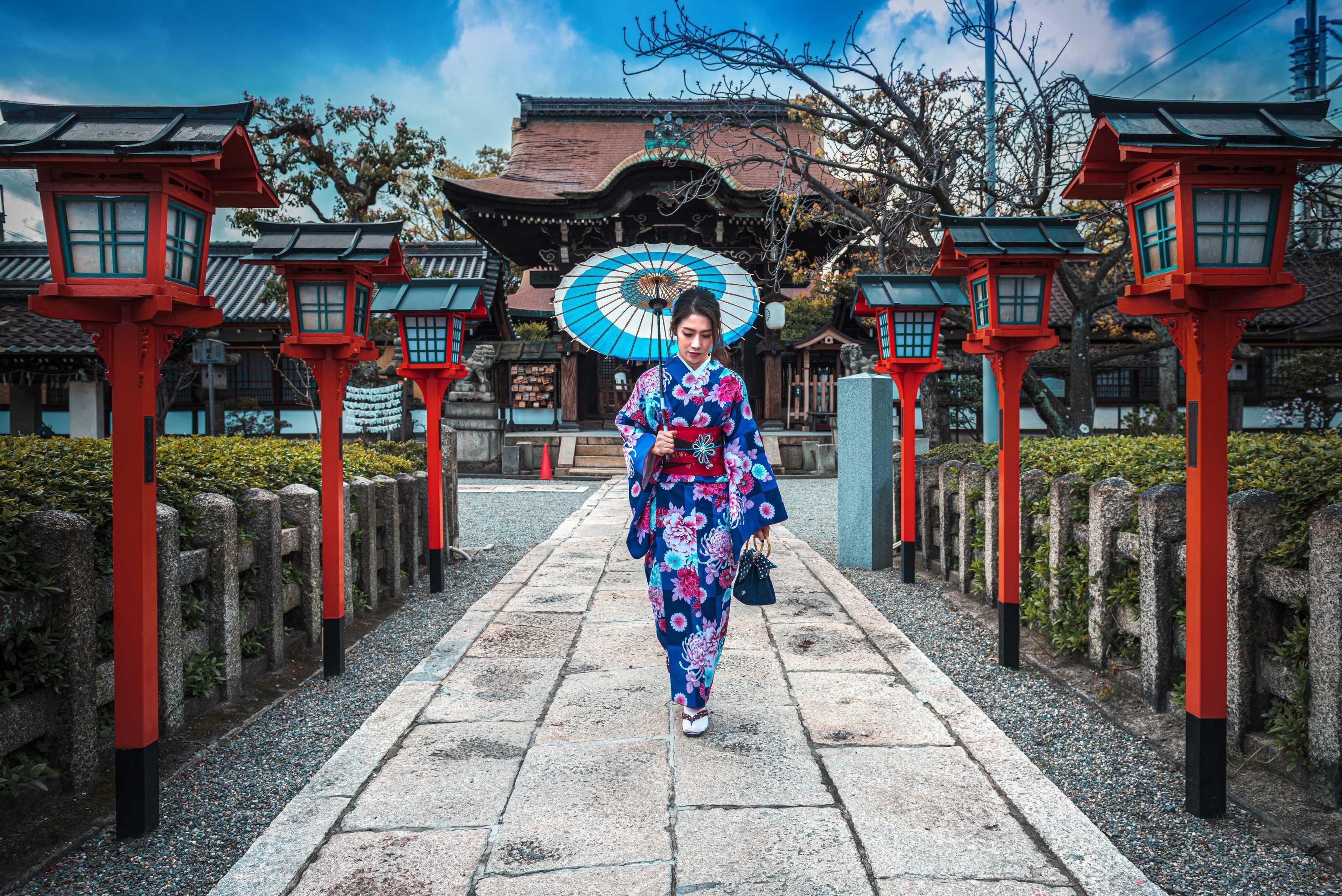
But Kyoto's real magic is in the district of Gion, where wooden machiya townhouses line the lanes and, if you're lucky and quiet, you might glimpse a geiko or maiko slipping between engagements at dusk. Don't chase them for photos — it's become a real problem, and there are now fines for harassing them in the private lanes. Just be present. Kyoto rewards the traveller who moves gently.
The Tokyo-to-Kyoto axis is the backbone of almost every good first-timer's route, which is exactly why any decent Tokyo tour package should connect the two rather than leaving you stranded in the capital.

Beyond the Guidebook: Onsen Towns, Alpine Villages & Offbeat Japan
Here's where most first-timers stop — Tokyo, Kyoto, maybe a day in Osaka. And here's where the good trips keep going. The Japan that stays with you long after you're home usually lives an hour or two off the main line, in the places the guidebooks give half a page.
Hakone is the easiest escape from Tokyo and one of the best. It's onsen (hot spring) country, wrapped around views of Mount Fuji when the weather cooperates. You spend the day drifting between a pirate ship cruise on Lake Ashi, an open-air sculpture museum, and a cable car floating over a steaming volcanic valley — and the evening soaking in a private hot spring bath as the temperature drops. If you stay in a traditional ryokan and eat a multi-course kaiseki dinner in your yukata robe, you'll understand a side of Japan that no city can show you.
Takayama, up in the Japanese Alps, feels like stepping two centuries back. Its old town of dark-wood merchant houses, sake breweries with cedar balls hung outside the door, and a morning riverside market make it one of the most atmospheric small towns in the country.
And from there, the fairytale: Shirakawa-go, a UNESCO village of steep thatched-roof farmhouses that look like something from a folk tale, especially under snow in winter. It is, for many travellers, the single most beautiful place they visit.
This offbeat layer is the whole philosophy behind how we build trips — the belief that the temple you weren't expecting matters more than the one everyone photographs. A first trip can absolutely be more than a greatest-hits tour. It just takes the right route and someone who knows which detours are worth the train ticket.
What to Eat in Japan: A Region-by-Region Food Trail
You could travel Japan on food alone and call it a complete trip. Genuinely. The country treats even a convenience-store egg sandwich as a thing worth doing properly. But each region has its own obsessions, and eating your way across them is one of the great joys of a first visit.
In Tokyo, chase sushi at its source. Skip the fancy places on your first day and go to the outer market at Toyosu (or the surviving stalls of old Tsukiji) for a breakfast of sushi so fresh it barely holds together. Then, at night, find yakitori — charcoal-grilled chicken skewers — in a smoky alley bar, and slurp a bowl of ramen at midnight the way locals do.
In Osaka — often called Japan's kitchen — it's all street food. Takoyaki (octopus dough balls, crisp outside, molten in), okonomiyaki (a savoury cabbage pancake you cook at your table), and kushikatsu (deep-fried skewers, with one strict rule: never double-dip in the shared sauce). Osaka eats loudly and happily, and you should too.
In Kyoto, the food turns refined and seasonal — kaiseki, a multi-course meal that's as much art as dinner, and yudofu, a delicate hot tofu dish born from the city's Buddhist temple kitchens. It's quieter, subtler eating, perfectly matched to the city.
In Hokkaido and the north, it's rich miso ramen, the freshest seafood in the country, and dairy so good the soft-serve ice cream has a cult following.
A few things to know as a first-timer: tipping is not a thing here — it can actually cause confusion or offence, so don't. Many small restaurants are cash-only, so carry yen. Slurping your noodles is polite, not rude — it's a compliment to the chef. And those plastic food models in restaurant windows aren't tacky, they're a gift: point at what you want if the menu defeats you.

Getting Around: Bullet Trains, the JR Pass & Practical Japan Tips
Japan's trains are the reason first-timers fall in love with the logistics of travel. They are clean, silent, punctual to the minute, and they'll carry you from the heart of one city to another at 300 km/h while you nap or watch Mount Fuji slide past the window.
The Shinkansen and the JR Pass
The Shinkansen (bullet train) is the spine of the country. Tokyo to Kyoto in about 2 hours 15 minutes. Tokyo to Osaka in under three. Reserve a seat on the right-hand side heading south for that famous Fuji view.
The Japan Rail Pass used to be a no-brainer for tourists — unlimited JR travel for a set number of days. Since its big price rise, though, it only pays off if you're covering a lot of ground quickly (say, Tokyo–Kyoto–Hiroshima and back). For a slower two-city trip, individual tickets often work out cheaper now. This is genuinely one of the most useful things to have someone calculate for your specific route before you buy — it's easy to waste money here either way.
The everyday stuff that trips people up
- Get an IC card (Suica or PASMO — now available in digital form on many phones). Tap on, tap off, use it on trains, buses, and even in convenience stores. It removes almost all daily friction.
- Pocket Wi-Fi or an eSIM is close to essential. You'll rely on Google Maps constantly, and it even tells you which train platform and which carriage to board
- Cash still matters. Japan is modernising fast, but plenty of small restaurants, temples, and rural spots are cash-only. 7-Eleven ATMs reliably accept foreign cards.
- Luggage forwarding (takkyubin) is a first-timer's secret weapon. Send your big suitcase ahead from one hotel to the next for a few thousand yen and travel between cities with just a day bag. It makes navigating those enormous stations infinitely easier.
"Japan is not a country you visit once. It's a country that ruins you, gently, for anywhere else — and then keeps calling you back."
A first trip to Japan is one of those rare journeys that genuinely lives up to the dream — but only if the route is built around the right rhythm: enough of the iconic to feel the thrill, enough of the offbeat to feel like it was yours. Getting the timing right, the train logistics sorted, and the balance between Tokyo's energy and Kyoto's calm just so — that's the difference between a good trip and one you'll be talking about for the rest of your life.
You May Also Connect With Us On →
Website: BreakBag Holidays |
Email: support@breakbag.com |
Facebook: BreakBag Holidays |
Instagram: @breakbagholidays |
YouTube: BreakBag Holidays |
Threads: @breakbagholidays |
LinkedIn: BreakBag Holidays |